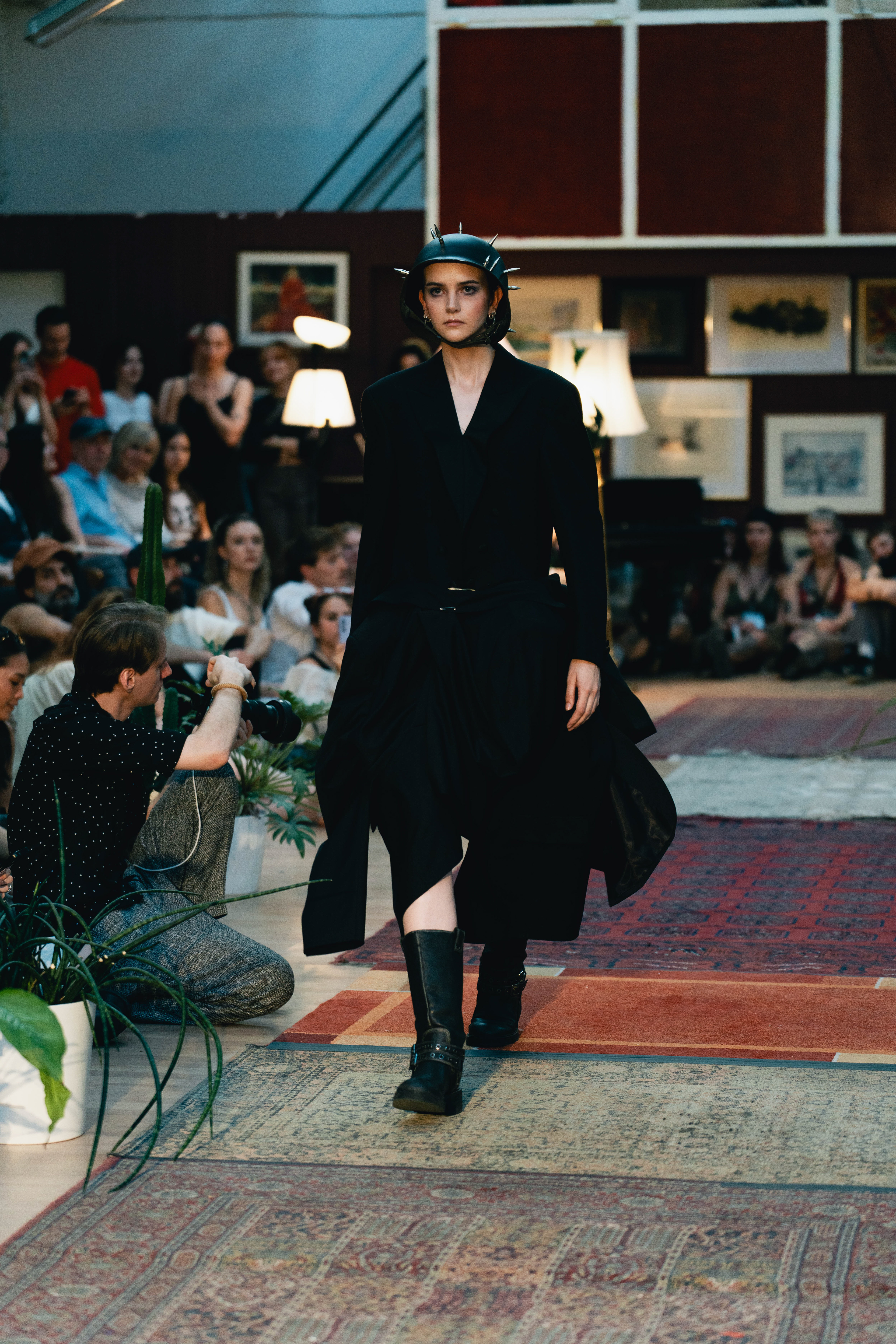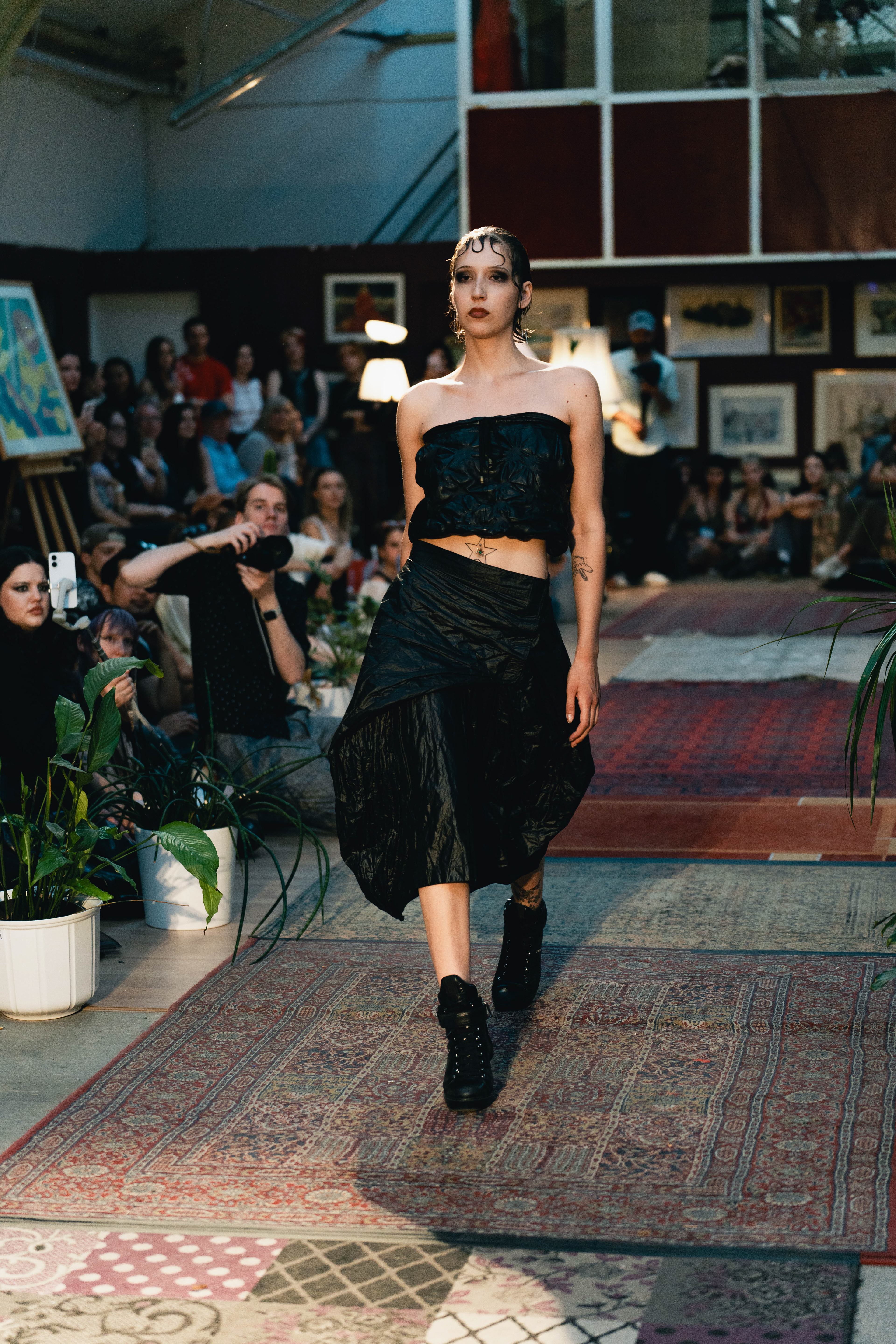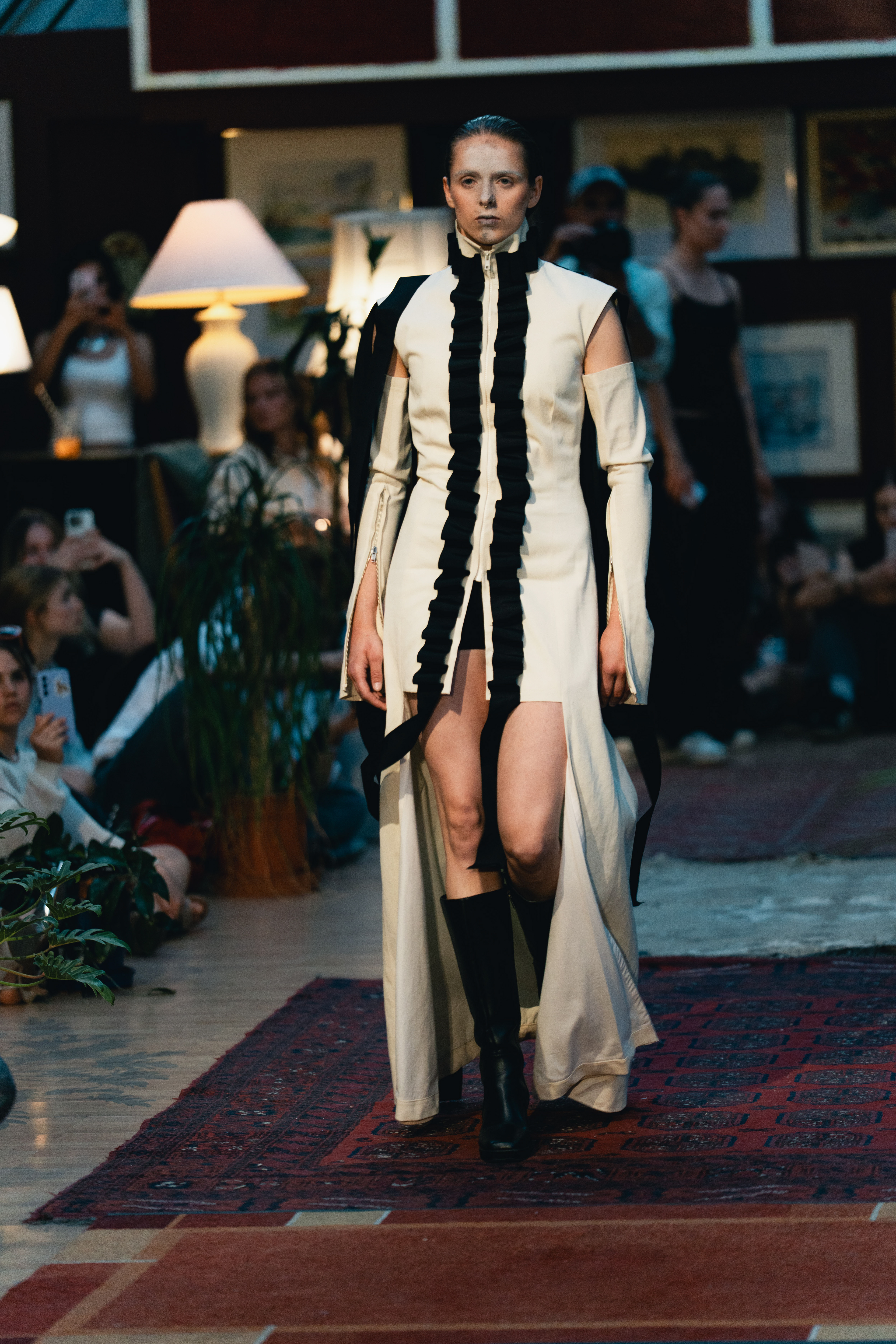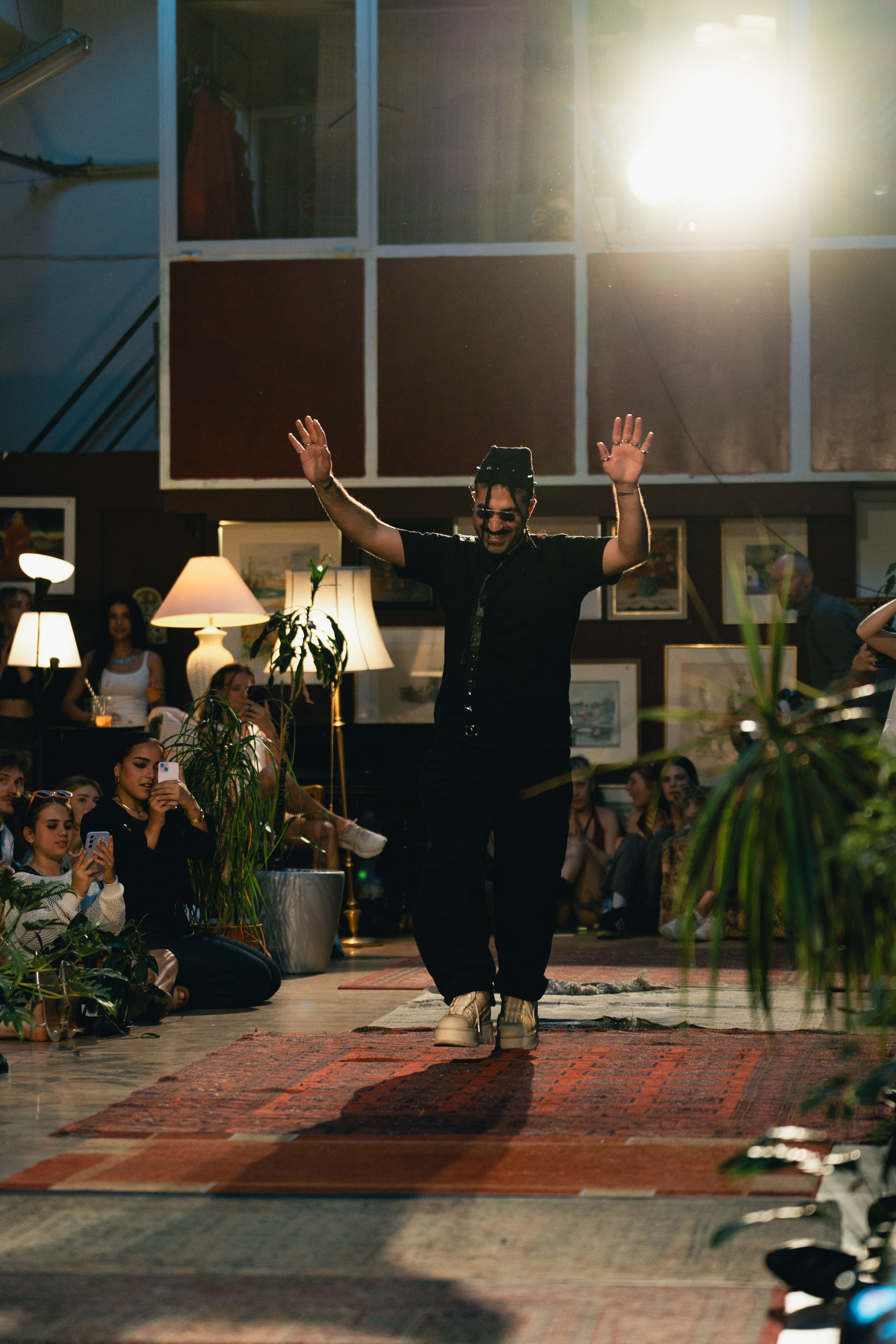
How Kareem Aladhami became the first Iraqi designer to show at Vienna Fashion Week – and why, for him, the story always comes before the collection
There are moments in a career that change everything. For Kareem Aladhami, 30, from Baghdad, it was a single sentence from an instructor during his fashion design studies: that his designs were unlike anything anyone else could produce. One sentence - and a student became a brand, a name, a stance: Kareem Aladhami.
Today he is the first Iraqi designer to have shown at Vienna Fashion Week. A milestone he doesn't carry lightly. "I still remember the head of my fashion school telling me she hoped I would become the first refugee to graduate from the school," he says. "Her words motivated me to pursue my goals and become who I am today."
An identity he refuses to set aside
Aladhami's experience as a refugee isn't a chapter he leaves behind - it's the thread running through his work. "No one can separate me from this identity, because I am proud to be a refugee," he says. He sees himself as a role model for other refugees and wants his work to challenge stereotypes, showcasing the value, creativity, and resilience that people with refugee backgrounds bring to their communities.
His relationship with the European fashion industry is described with the same certainty: he has never felt he needed to prove he belonged. He studied fashion design and garment construction in Vienna, and his professional path was shaped in Europe. "This industry, this community, this profession - all of it is part of who I am."
Fashion as language, not decoration
For Aladhami, fashion is first and foremost art - and art, in his view, is never apolitical. "Art reflects society, and society is inevitably shaped by politics," he says. He isn't afraid of his work being seen as "too political." Quite the opposite: through his shows, he wants to convey messages of peace, compassion, and coexistence, and to encourage people to reflect on experiences they may never have lived themselves.
That stance shows up in his creative process, too. Every collection begins with memories and images - never with fabric or cut first. "For me, the storyline matters more than the fashion itself, more even than the collection. The collection exists to interpret and translate the story behind it." He produces three to four collections a year, each with ten to twenty looks - a process whose length varies depending on concept, materials, and level of detail.
Backstage chaos, ten minutes before the show
Not every story behind a collection is planned. One of the most intense memories from Vienna Fashion Week involves a model who left just before the show due to a miscommunication. Aladhami had to bring in a replacement model from another agency at the very last moment - for the originally planned opening look, but in a completely different size.
"In those final minutes, I had to adjust and sew the dress while she was already wearing it. I was literally sewing directly on her body while she stood ready for the runway." The show began the moment he finished. To this day, one of the most intense moments of his career.
He compares the tension before a show to the feeling he once knew as an athlete before a competition: pressure, focus, stress - but a positive kind. The moment the first look hits the runway, all of it disappears. "I can breathe again."
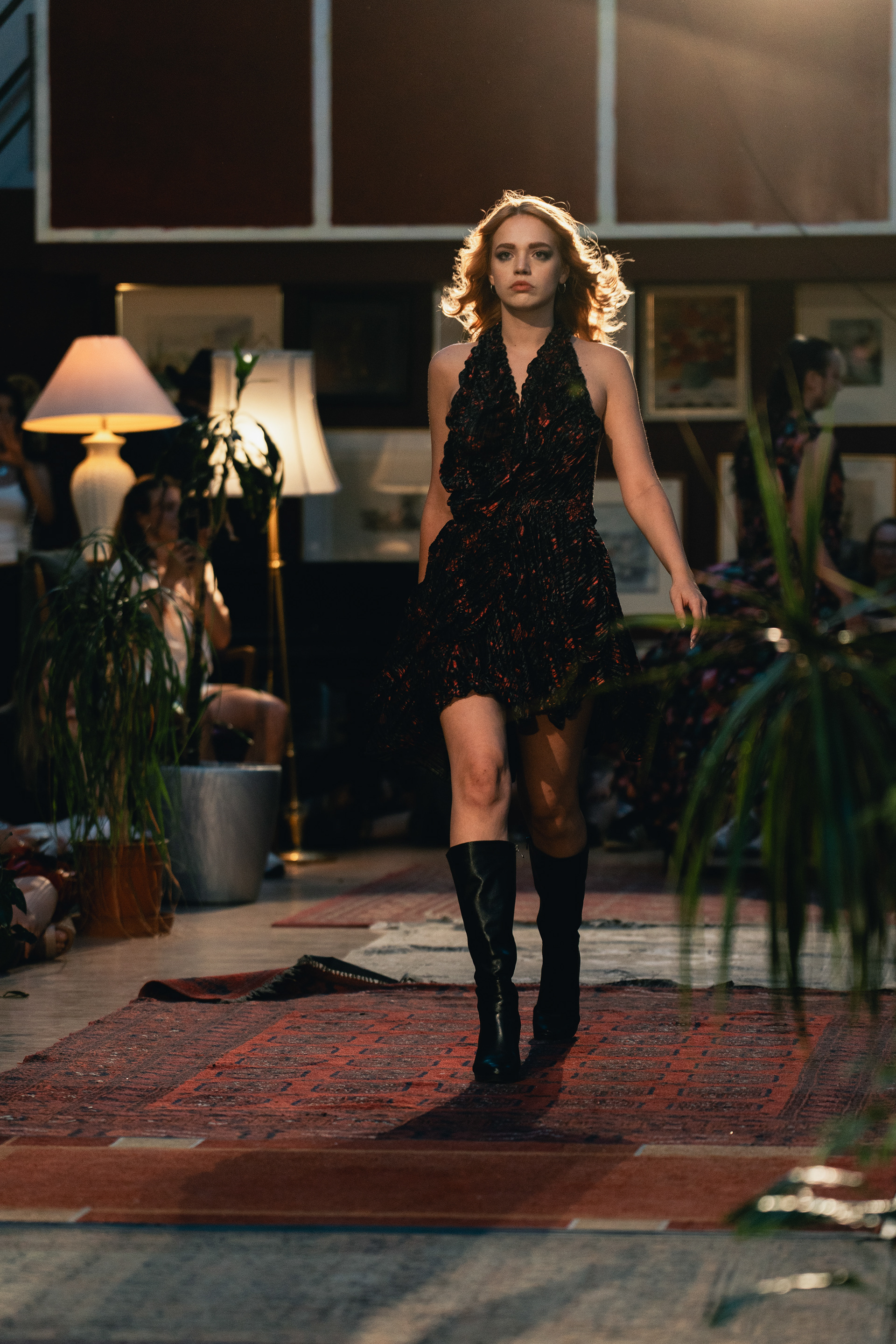
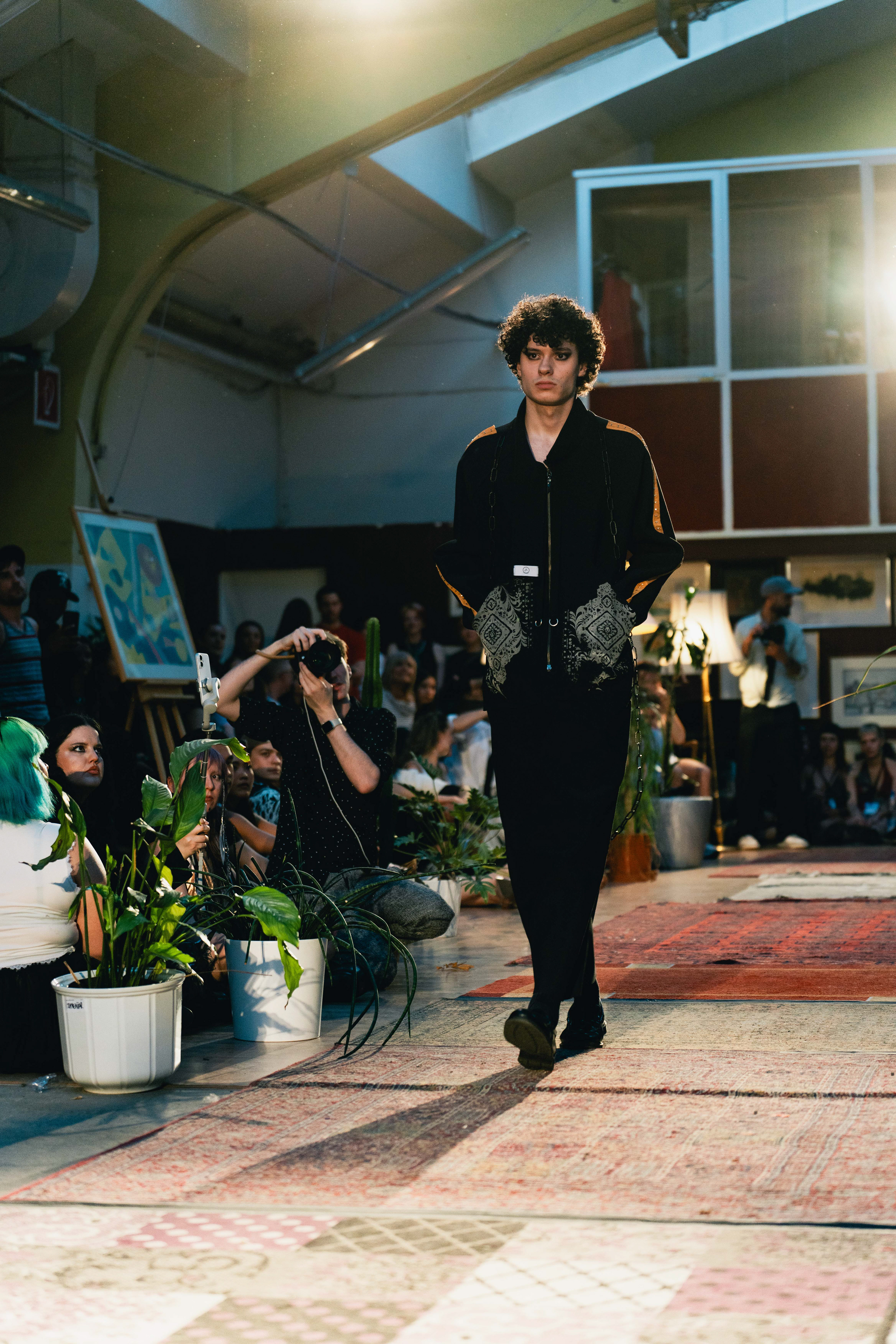
Sustainability over comparison with the giants
What Aladhami wants for his audience is a shift in thinking: that fashion can be made in a more environmentally conscious way - recycled materials, large-scale shoots and shows built on simple, sustainable resources. And a second wish, one that sounds almost like a manifesto: emerging designers shouldn't be measured against global mega-brands. "For me, the message behind the work matters more, and carries more weight, than money."
His plans for the future extend beyond the runway: he dreams of collaborating with musicians and artists on major stages, joining them on tour, and seeing his designs featured in music videos and on album covers.
And success? Aladhami views it soberly. "Achieving success can be relatively easy, but the real challenge is maintaining it over time." That's why he focuses on continuous work, constant development, and consistency in his own creativity - to stay at the highest level for as long as possible.