
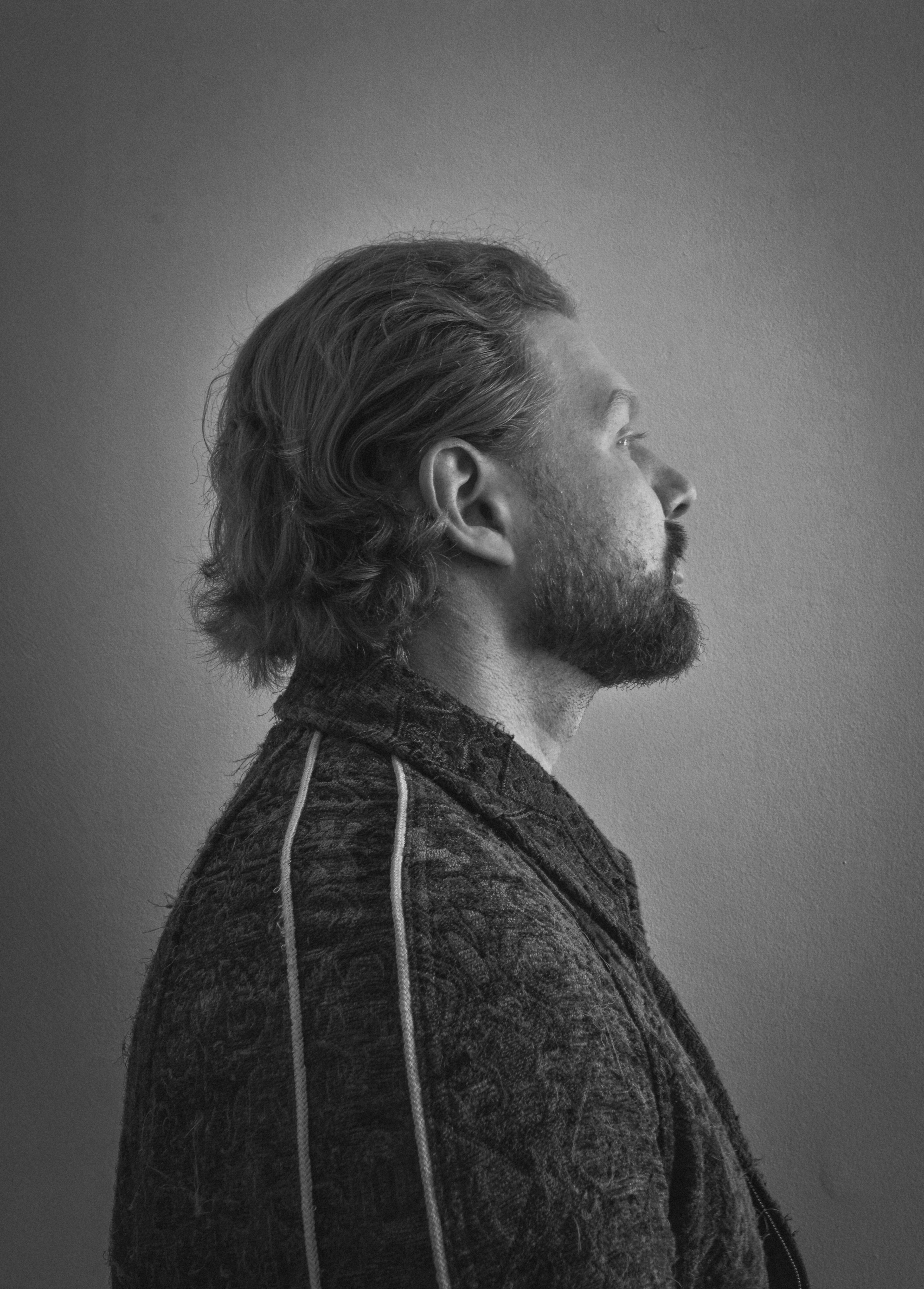
Alexander Simon is the founder of Misela Studios, a fashion label built around strong silhouettes, clean design, and thoughtful details. The idea behind Misela grew from a personal desire to create the kind of clothing Simon felt was missing - pieces that feel modern yet intentional, and that can exist beyond the rhythm of seasonal trends.
“Misela is about strong silhouettes, clean design, and details that reveal themselves slowly,” Simon explains. “I’m not trying to be the loudest brand in the room - it’s confident, but understated.”
That balance between quiet confidence and careful construction defines the brand’s identity. Rather than relying on obvious statements, Misela focuses on precision: proportion, material, and subtle design choices that give each piece its character.
From Sketchbook to Reality
Simon’s interest in fashion and design began early. Throughout school he spent much of his time drawing - outfits, shapes, anime-inspired characters, anything that sparked his imagination.
“Fashion and art shaped me early, especially in school. I was always drawing - outfits, shapes, anime references, anything that inspired me,” he says.
Yet like many creative paths, life eventually steered him toward a more practical direction, pushing his artistic side into the background. Still, the impulse to create never disappeared.
“The thought of bringing my sketches to life stayed with me for years,” Simon reflects. “Starting Misela didn’t feel like a big jump; it felt like finally taking myself seriously again.”
Designing With Clarity and Restraint
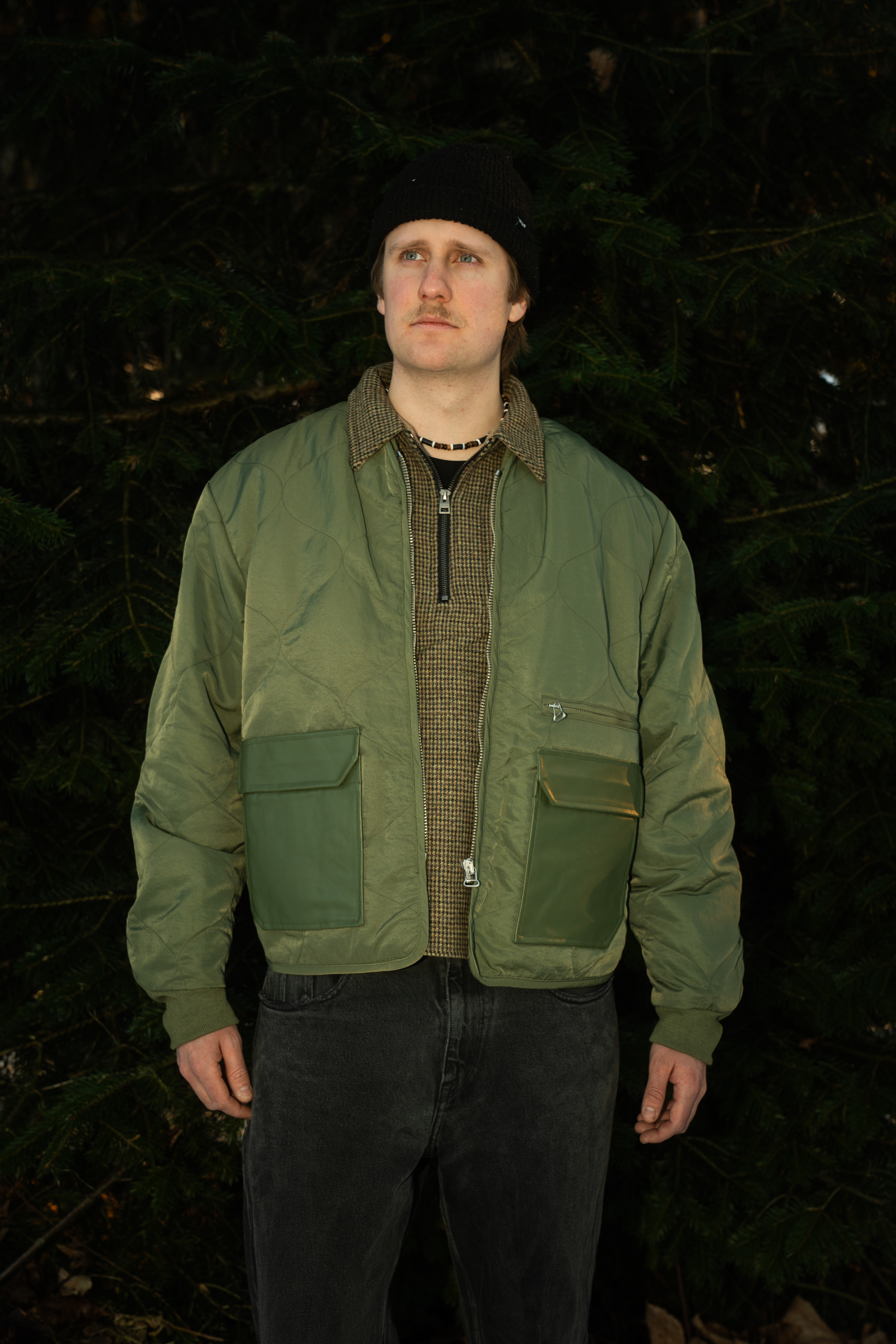
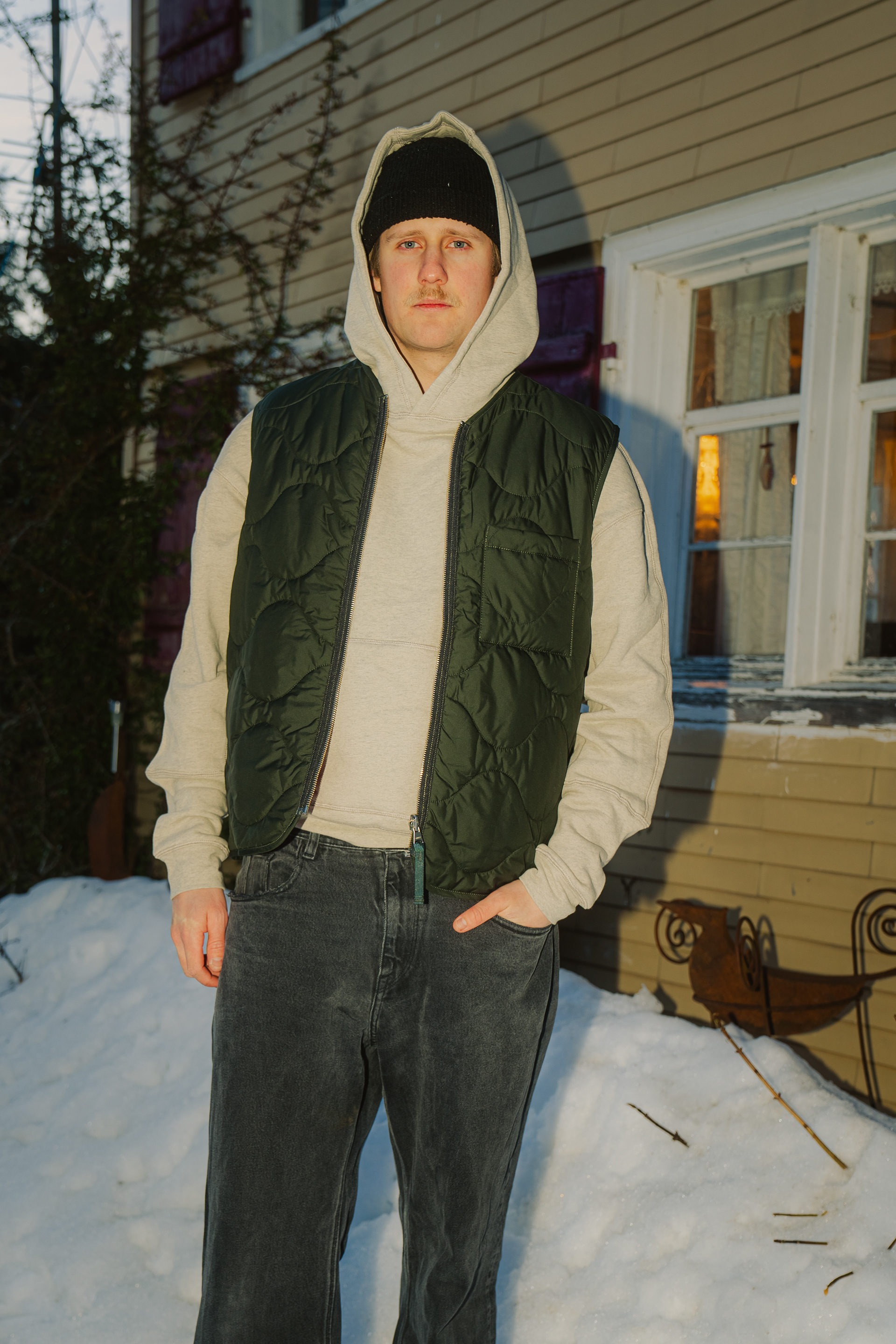
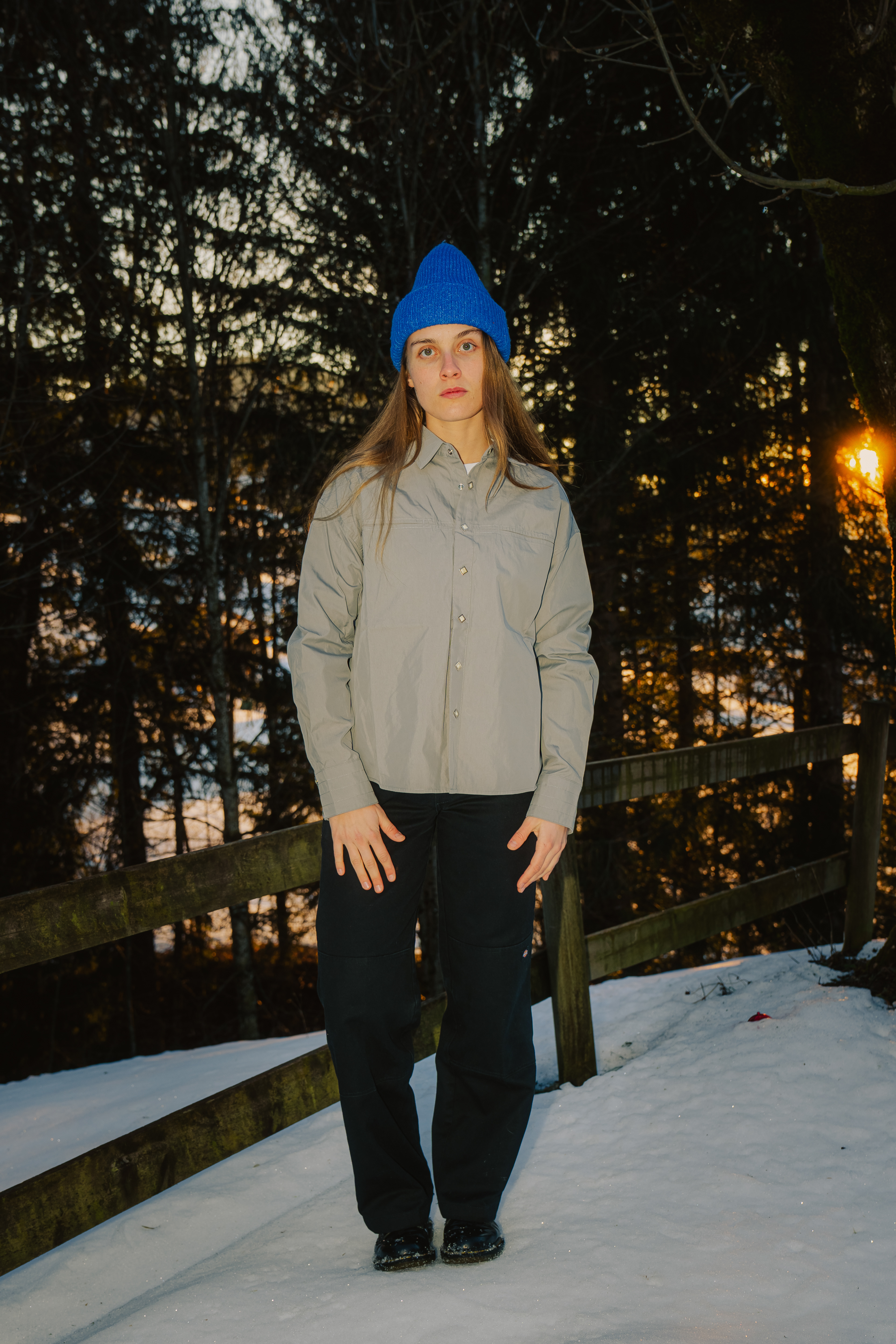
The aesthetic language of Misela is rooted in proportion and clarity. The silhouettes are minimal, often slightly adjusted - a cropped length, subtle volume, a refined structure - but never exaggerated.
“For me, Misela is about clarity and proportion,” Simon says. “The silhouettes are clean, sometimes slightly shifted, but never exaggerated for the sake of it.”
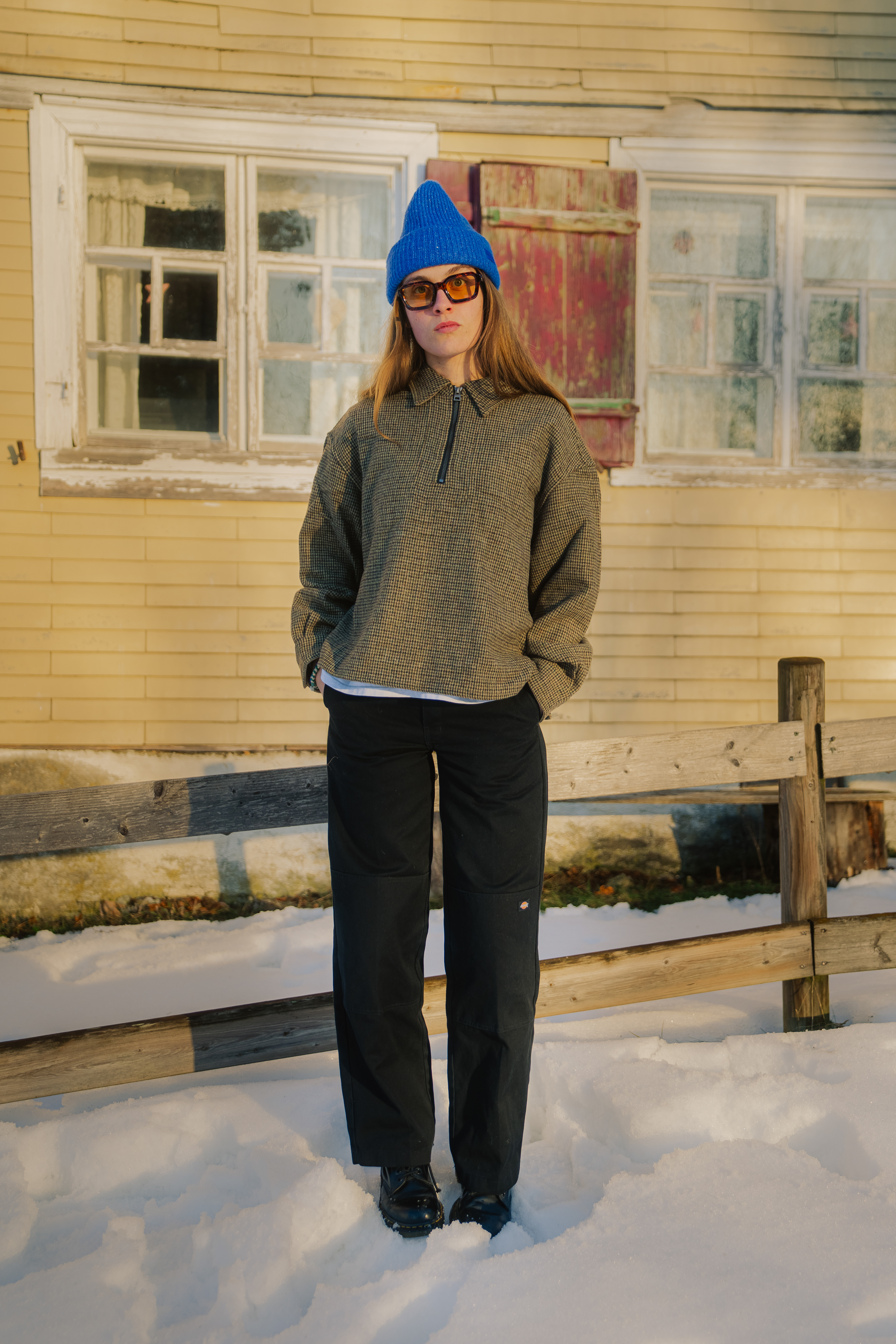
Craftsmanship plays a central role in shaping that identity. The fabric’s weight, the structure of a collar, or the way a sleeve falls are all treated as design elements.
“The fabric choice, the weight, how a sleeve falls, how a collar holds its shape - those are the design details for me,” he explains. “If you strip a piece down, it still has to feel strong.”
Individuality Without Noise
Although the brand is defined by restraint, individuality remains a key principle. For Simon, individuality is not about standing out through excess.
“To me, individuality isn’t about being loud. It’s about being clear in who you are,” he says.
His pieces are designed to support the person wearing them rather than dominate their appearance. The clothing becomes a framework, while personality and styling complete the expression.
“Self-expression happens in how someone styles a piece, how they move in it, how they carry it,” Simon explains. “The garment is just the frame.”
The Language of Touch
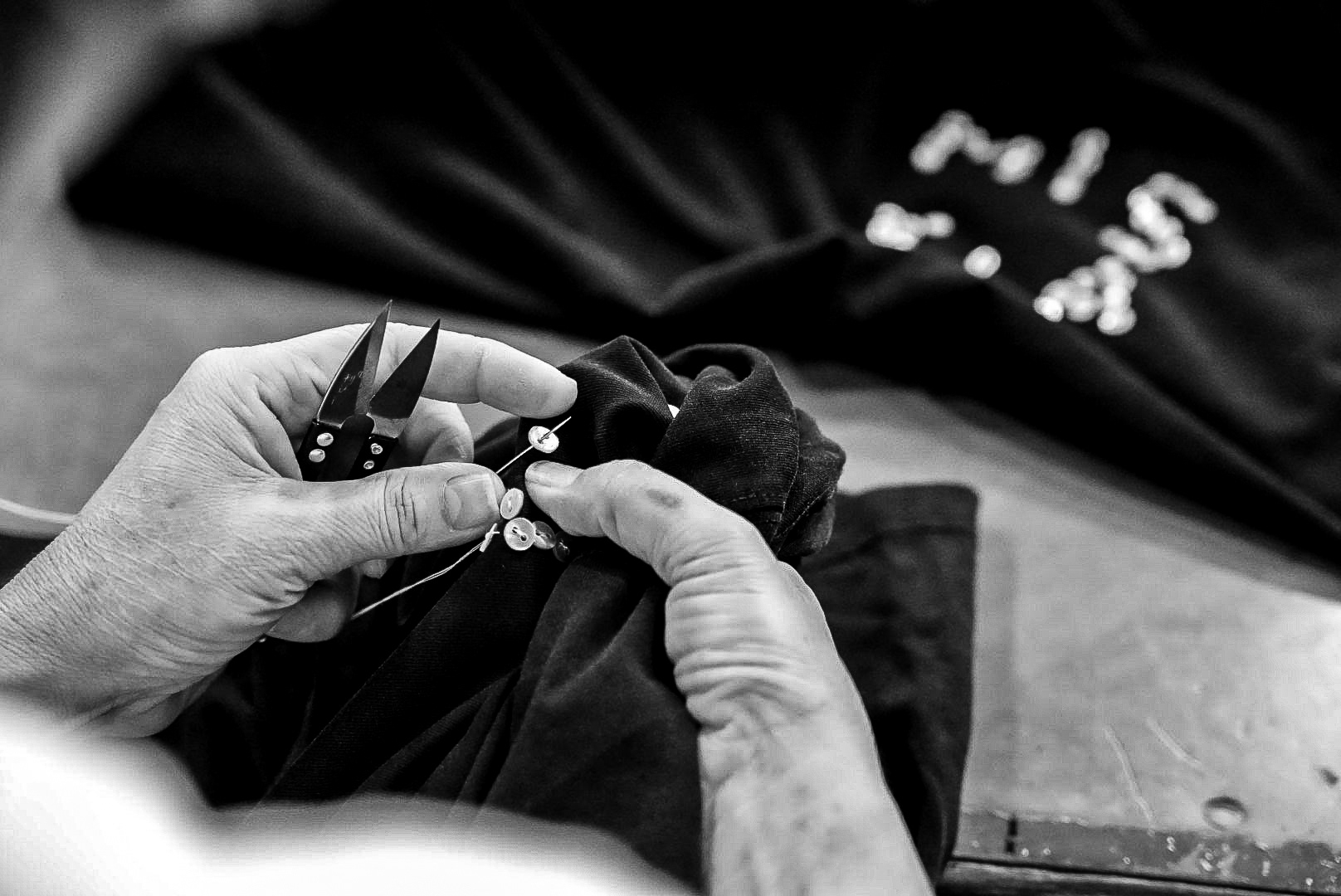
Material plays a particularly important role in Misela’s design philosophy, especially through the brand’s Braille-inspired concept. While fashion is typically approached as a visual medium, Simon intentionally emphasizes the tactile dimension.
“Fashion is so visual, but touch is just as real - sometimes even more honest,” he says.
This idea stems in part from Simon’s past experience working with visually impaired individuals, which shaped his understanding of how design can be experienced beyond sight.
The Braille-based system developed for Misela reflects this philosophy. Rather than functioning as a fixed logo, it acts as a flexible framework that evolves with each collection.
“It’s not a fixed logo - it’s a framework that shifts with each collection,” Simon explains. “Season, concept, materials - all of that influences how it appears.”
Between Concept and Wearability
Despite the conceptual elements behind Misela, practicality remains essential. Simon personally tests each design before it becomes part of a collection.
“I test everything on myself first,” he says. “If I wouldn’t wear it in my own daily life, it doesn’t make sense for the brand.”
While he enjoys subtle experimentation with proportion, the garments must ultimately feel natural when worn.
“The idea is important, but comfort and confidence decide whether a piece stays in the collection.”
When the Sketch Becomes Real
For Simon, the most exciting moment in the design process comes when the first sample arrives from production. While sketching comes naturally to him, he openly admits that sewing is not his strength.
“I took a sewing course once and quickly learned: my strength is vision and direction, not stitching,” he says with a smile.
Because of this, he focuses intensely on measurements, materials, and technical communication before production begins. The first sample then becomes a crucial test of whether that vision has translated successfully.
“That moment is always exciting - and sometimes humbling.”
Building a Brand in a Saturated World
Launching a fashion label today comes with both advantages and challenges. Social media allows designers to present their work globally from the start, but it also means competing in an increasingly crowded landscape.
“In some ways it has never been easier to present your brand to the world,” Simon notes. “But at the same time, it has probably never been harder to truly stand out.”
Beyond the creative work, running a label involves constant attention to logistics, finances, and strategy.
“You quickly realize that running a label isn’t just creative work,” he says. “It’s financial planning, production logistics, marketing strategy.”
Balancing those responsibilities with creative direction remains one of the biggest challenges.
A Long-Term Vision
Despite the obstacles, Simon approaches Misela with patience and a long-term mindset.
“I’m building Misela for the long run,” he says. “I want it to make sense in ten years, not just right now.”
Progress often comes in small steps - refining a fit, improving a material, or gradually building recognition. Yet those incremental changes continue to push the project forward.
Clothing That Lasts
Ultimately, Simon hopes that people who wear Misela feel a sense of balance and quiet confidence.
“I hope they feel composed - not overdressed, not underdressed, just balanced,” he says.
He also hopes that the details reveal themselves over time, allowing the wearer to develop a deeper connection with each piece.
“Misela isn’t made to be worn for one season and replaced. The pieces are designed to stay - to age well, to carry memories.”
Looking Ahead
For Simon, one particularly meaningful milestone would be presenting Misela on a runway.
“Seeing Misela on a runway would be emotional for me,” he says. “It would mean something that lived in my sketchbook is now moving in real space, on real people.”
Equally significant would be having the brand carried by strong independent stores - a sign that the vision resonates beyond his own studio.
“When someone outside of your own head believes in the work enough to give it space, it becomes real.”
Advice for Young Designers
For young creatives hoping to start their own fashion label, Simon offers a simple but important reminder: focus on authenticity rather than comparison.
“Don’t try to copy what’s working for others,” he says. “You might gain attention short term, but you’ll lose the reason you started.”
At the same time, he stresses the importance of understanding the practical side of the industry.
“Creativity alone isn’t enough,” Simon says. “Learn th e business side - production, margins, communication.”
Because in the end, he believes that clarity and patience matter more than speed.
“A clear identity will always outlive a rushed launch.”